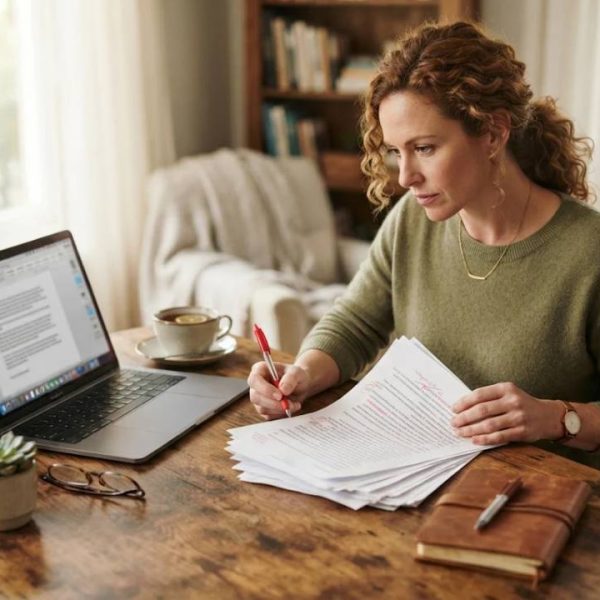
A good idea can fail on the page. Unclear sentences, uneven tone and small errors make readers lose trust, whether the text is a company brochure or a first novel. Professional editing turns a rough draft into writing that says what you mean, in any language.
Editing Is More Than Proofreading
Proofreading fixes typos and punctuation. Editing also improves structure, clarity and style.
Decide what level of editing you need before you hire anyone, because the price and the timeline depend on it.
Developmental Editing
This stage looks at the big picture, including argument, order, pacing and audience. It suits books, reports and long articles.
Expect comments and suggestions rather than small corrections.
Line and Copy Editing
Line editing improves sentences and flow. Copy editing checks grammar, consistency and style rules.
Both help writing sound polished and confident.
Proofreading as the Final Step
Proofreading comes after layout and catches the last errors. It should never replace earlier editing.
Always proofread the final design, not only the text file.
Editing for Non-Native Writers
Researchers, engineers and entrepreneurs often write well in their field but not in English. An editor corrects grammar and makes sentences natural.
The goal is to keep your ideas and voice while removing language barriers.
Academic and Scientific Texts
Journals expect clear structure, precise terms and consistent references. Editors check style guides and reduce wordiness.
Early editing helps avoid rejection for language reasons.
Business and Marketing Copy
Websites, brochures and presentations need a clear message and tone. Editors cut jargon and sharpen calls to action.
Consistent copy builds brand trust.
Authors and Self-Publishing
Independent authors benefit from an outside reader. A fresh view catches plot holes, repeated words and awkward dialogue.
Professional editing separates serious books from rough drafts.
Translation and Editing Together
A translated text often benefits from a second pass by a native editor. The editor checks style and rhythm without changing the meaning.
Companies expanding to Southern Europe often combine editing with english to greek translation for brochures and websites.
Copywriting in Several Languages
Copywriters create new text for each market instead of translating word for word. They adapt humor, offers and examples.
This approach works well for campaigns and landing pages.
British and American English
Spelling, vocabulary and punctuation differ between the two. Decide which variant you need and keep it consistent.
Mixed spelling makes a text look careless.
Style Guides and Consistency
Choose a style guide or write a short house list. Include rules for numbers, dates, capital letters and preferred terms.
Editors apply the rules across the whole document.
Tracked Changes and Communication
Good editors use tracked changes and add short comments that explain important decisions. You can accept or reject each suggestion.
Clear communication keeps you in control of your text.
Check Credentials
Ask about training, experience and subject knowledge. Professional bodies such as the Chartered Institute of Linguists support linguists and set standards.
Request a short sample edit before you commit.
Audio and Video Content
Podcasts, interviews and webinars often start as recordings. A transcript must be edited to read well on the page.
Our notes on audio and video transcription explain how to prepare recordings for accurate transcripts.
Briefing Your Editor
Tell the editor who will read the text, what tone you want and where it will be published. Share any style guide or past work.
A clear brief saves time on both sides.
Timelines and Deadlines
Editing a long document takes days or weeks. Allow time for your review and for questions.
Rushed editing often leaves errors behind.
Pricing
Rates depend on length, difficulty and level of editing. Ask for a quote based on a sample.
Per-word and hourly rates both exist, so compare them carefully.
Confidentiality
Drafts often contain unpublished research or business plans. Sign a confidentiality agreement and use secure file sharing.
Ask how files are stored and deleted.
Common Mistakes
Typical errors include skipping editing, hiring a proofreader for a structural problem, sending unfinished drafts and ignoring feedback.
A short checklist avoids most of them.
Review the Edited Text
Read the final version aloud. Listening reveals awkward phrases that eyes skip.
Ask follow-up questions if any change feels unclear.
Build a Long-Term Relationship
An editor who knows your voice works faster and more accurately. Keep notes on terms and preferences for future projects.
Consistency across articles, reports and books builds your reputation.
Final Advice
Strong writing takes more than one pair of eyes. Choose the right type of editing, brief your editor clearly and review the result carefully.
Readers will notice the difference even if they never know why.
Know When to Stop
Endless revisions can erase the energy of a text. Set a final deadline and accept that good writing is never perfect.
Trust your editor to flag the issues that really matter.